
Building Healthy Smiles Through Early Prevention and Regular Dental Care
A healthy smile begins with prevention.
Children's teeth undergo continuous changes from infancy through adolescence. During these important developmental years, regular dental care plays a crucial role in protecting teeth, preventing cavities, and developing lifelong oral hygiene habits.
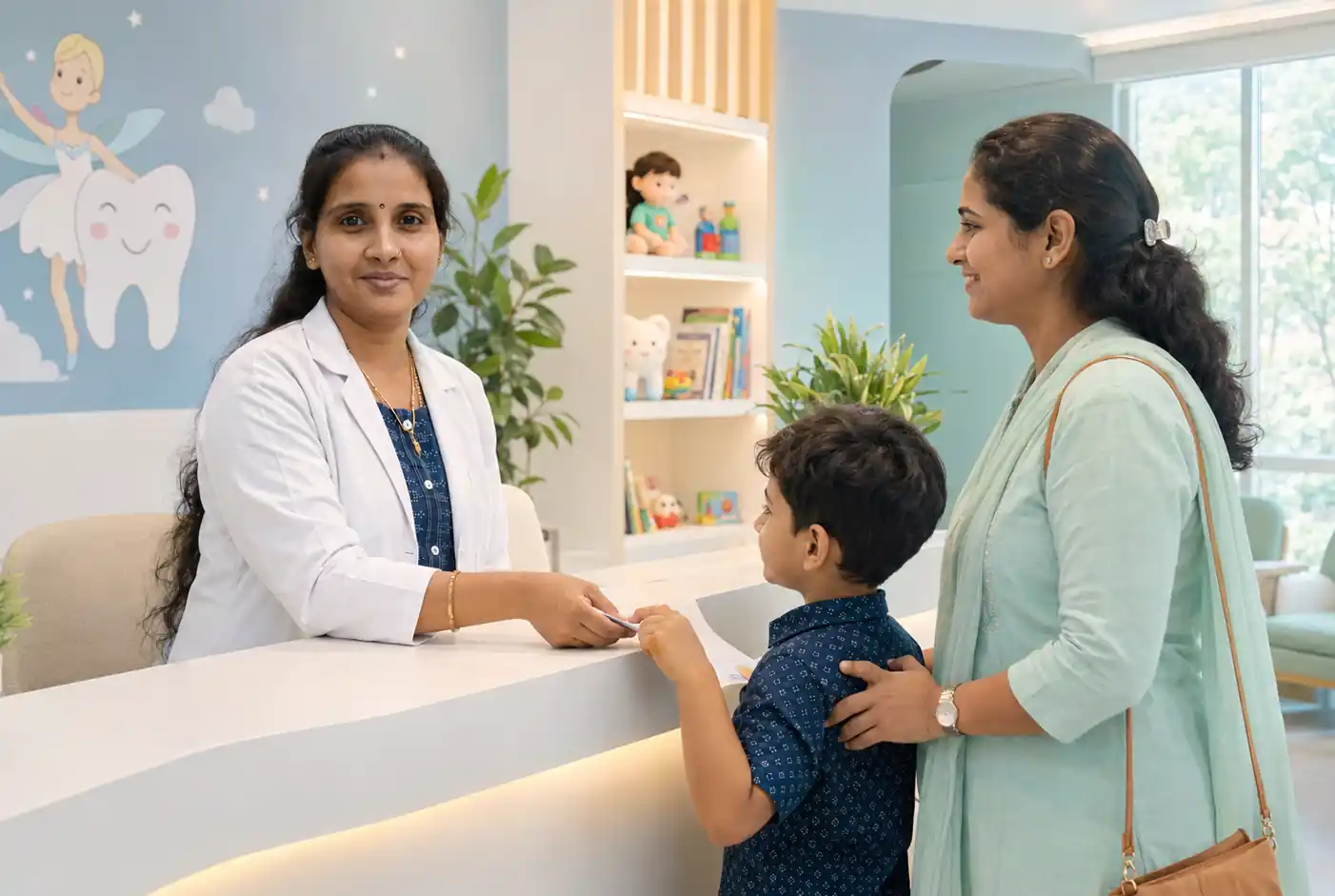
At Shree Child Dental Care Centre, we focus on providing comprehensive preventive dental care for children in Vellore with an emphasis on early detection, education, and personalized guidance for every child.
Under the care of Dr. R.A. Sowmiya Sree, MDS – Pediatric & Preventive Dentist, our approach is designed to help children maintain strong teeth, healthy gums, and positive dental experiences from an early age.
Preventive dentistry is not only about avoiding cavities. It is about understanding your child's oral development, identifying potential concerns early, and creating habits that support lifelong dental health.
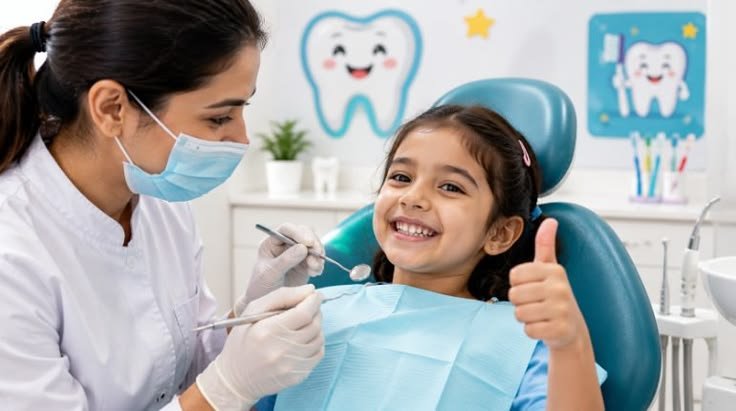
Preventive dental care focuses on protecting children's teeth before major dental problems occur.
Instead of waiting for pain, cavities, or dental emergencies, preventive dentistry aims to identify risks early and provide appropriate care to maintain healthy smiles.
For children, preventive dental care includes:These preventive measures help reduce the chances of dental problems and make dental treatment easier and more comfortable if problems do occur.
Children are more vulnerable to dental problems because:
Regular preventive dental visits allow problems to be identified before they become painful or require complex treatment. Benefits include:
Small cavities and early signs of dental concerns can often be managed more easily when identified early.
Preventive treatments such as fluoride and sealants provide additional protection against cavities.
Children learn proper brushing techniques and understand the importance of oral hygiene.
Regular visits help children become comfortable with dental care and reduce fear or anxiety.
Routine dental examinations allow the dentist to monitor your child's oral development and identify concerns at an early stage.
During a preventive visit, we evaluate:
Regular check-ups also provide an opportunity for parents to receive guidance about maintaining their child's oral health at home.
Even with regular brushing, plaque can accumulate in areas that are difficult to clean.
Professional cleaning helps:
Fluoride is a naturally occurring mineral that helps strengthen tooth enamel and improve resistance against decay.
Professional fluoride application may be recommended based on:
It is a simple preventive procedure that supports stronger, healthier teeth.
Dental sealants are protective coatings placed on the chewing surfaces of back teeth where cavities commonly develop.
They help:
Sealants are especially beneficial for school-age children.
Teaching children proper oral hygiene habits is one of the most valuable parts of preventive dentistry.
We guide children and parents about:
Children's oral health needs change as they grow. Preventive care should be adapted according to their age, dental development, and individual risk factors.
At Shree Child Dental Care Centre, we provide age-appropriate guidance to help parents protect their child's smile at every stage.
Dental care begins even before all teeth appear. The early years are important because habits formed during infancy can influence future oral health.
Parents should focus on:
Early dental guidance helps parents identify potential concerns and establish good oral care routines from the beginning.
During these years, children become more independent but still require support with brushing and oral hygiene.
Common concerns during this stage include:
Preventive dental visits help monitor tooth development and provide parents with practical strategies to maintain healthy teeth.
Important steps include:
This is a very important stage because permanent teeth begin to erupt.
Preventive care during this period focuses on:
Treatments such as fluoride applications and dental sealants may be recommended depending on your child's dental needs.
Regular check-ups allow the dentist to monitor growth and address concerns before they become more complicated.
Teenagers experience many changes that can affect dental health, including lifestyle changes, dietary habits, and orthodontic treatment.
Preventive care during adolescence includes:
Encouraging teenagers to take responsibility for their oral health helps establish habits that continue into adulthood.
Professional dental care is important, but daily habits at home play the biggest role in maintaining your child's oral health. Parents can help prevent cavities by following simple steps.

Children should brush their teeth regularly using an age-appropriate toothbrush and fluoride toothpaste as recommended by their dentist.
Younger children often need parents to assist or supervise brushing because they may not have the coordination to clean all tooth surfaces effectively.
Food choices have a direct impact on children's dental health.
Encourage:
Frequent sugar exposure increases the risk of cavities because bacteria in the mouth produce acids that can weaken tooth enamel.
The number of times a child consumes sugary foods is often more important than the total amount.
Frequent snacking gives bacteria more opportunities to produce acids that attack teeth.
Creating structured meal and snack times supports better oral health.
Children learn from their surroundings.
Parents can encourage healthy attitudes by:
Positive experiences during childhood often lead to better dental behaviour in the future.
Preventive dentistry helps reduce the risk of several common childhood dental problems. These include:
Regular examinations help identify early signs of decay before they progress.
Preventive measures include:
Although gum disease is less common in children, plaque buildup can cause gum irritation and inflammation.
Professional cleaning and proper oral hygiene help maintain healthy gums.
While accidents cannot always be avoided, preventive guidance can reduce risks.
Examples include:
Regular monitoring allows early identification of:
Early assessment helps determine whether future orthodontic care may be needed.
At Shree Child Dental Care Centre, preventive dentistry is at the centre of our approach. We believe that the best dental treatment is often the treatment that can be prevented through early care, education, and regular monitoring.
Parents choose our clinic because of:
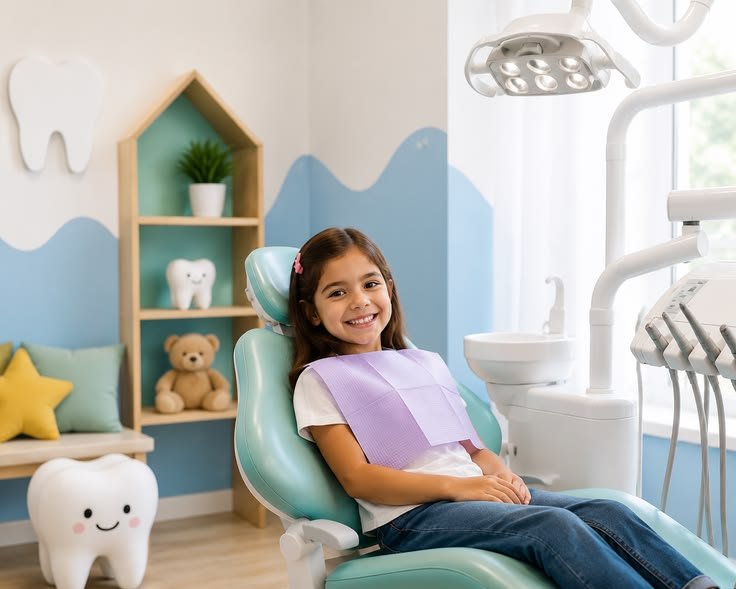
Care is provided by:
Dr. R.A. Sowmiya Sree, MDS
Pediatric & Preventive Dentist
with more than 12 years of experience in children's dental care.
We understand that every child responds differently to dental visits. Our approach focuses on:
Every child receives care based on:
We believe informed parents make healthier choices for their children. We provide guidance on:
Preventive dental care focuses on maintaining children's oral health by preventing dental problems before they develop or become serious.
It includes regular dental check-ups, professional cleaning, fluoride treatment, dental sealants, oral hygiene education, and guidance for parents about healthy habits.
Preventive dental care should begin early, ideally when the first tooth appears or by the child's first birthday.
Early visits help parents understand proper oral care and allow the dentist to identify any early concerns.
Most children benefit from dental check-ups every six months.
However, the recommended frequency may vary depending on:
Your pediatric dentist can suggest the right schedule for your child.
Yes. Professional fluoride treatments are considered safe when recommended and applied by a dental professional.
Fluoride helps strengthen tooth enamel and makes teeth more resistant to decay.
Dental sealants are thin protective coatings applied to the grooves of back teeth.
They help prevent food particles and bacteria from settling in areas that are difficult to clean with regular brushing.
While no method can guarantee complete prevention, regular preventive care can significantly reduce the risk of cavities.
Important preventive steps include:
Many dental problems begin without noticeable symptoms.
Regular check-ups help detect early changes before they develop into pain, infection, or more complex treatment needs.
Parents can help by:
Creating a positive routine makes children more likely to maintain oral hygiene.
The amount of toothpaste depends on the child's age and should follow guidance from a dental professional.
Parents should supervise younger children to ensure proper brushing habits.
Foods that support dental health include:
Limiting frequent sugary snacks and drinks helps reduce cavity risk.
Yes. Early preventive care can reduce the risk of developing serious dental problems and may help children avoid more extensive treatments later.
Yes. Regular preventive visits are often the best way to build confidence.
A child who visits the dentist only during emergencies may associate dental care with discomfort. Positive routine visits help create familiarity and trust.
Healthy teeth are not only about appearance. They support:
At Shree Child Dental Care Centre, we focus on helping children develop strong oral health habits through preventive care, early guidance, and personalized dental support.
Whether your child needs a routine check-up, cavity prevention guidance, fluoride treatment, or a complete oral health assessment, our team is here to support your family.
Shree Child Dental Care Centre
Dr. R.A. Sowmiya Sree, MDS – Pediatric & Preventive Dentist