
Strong, Long-Lasting Protection for Children's Teeth
When a baby tooth has extensive decay, has undergone a pulpotomy or pulpectomy (baby root canal), or has lost a significant amount of tooth structure, a simple filling may not provide enough strength or protection.
In these situations, a pediatric dental crown may be recommended to restore the tooth, protect it from further damage, and help it function until it naturally falls out.
At Shree Child Dental Care Centre, we provide pediatric dental crowns in Vellore as part of our comprehensive restorative dental care for children.
Under the care of Dr. R.A. Sowmiya Sree, MDS – Pediatric & Preventive Dentist, every treatment is tailored to your child's age, oral health, and individual needs.
Our goal is to preserve natural teeth whenever possible while helping children maintain comfortable chewing, speech, and healthy dental development.
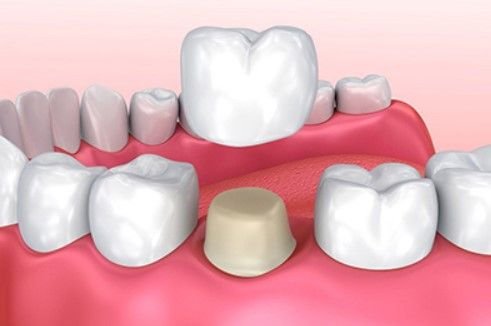
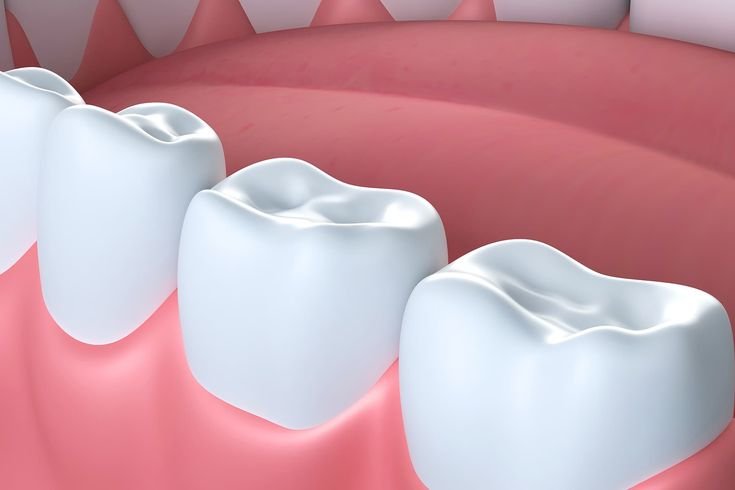
A pediatric dental crown is a specially designed cap that completely covers a damaged or weakened tooth.
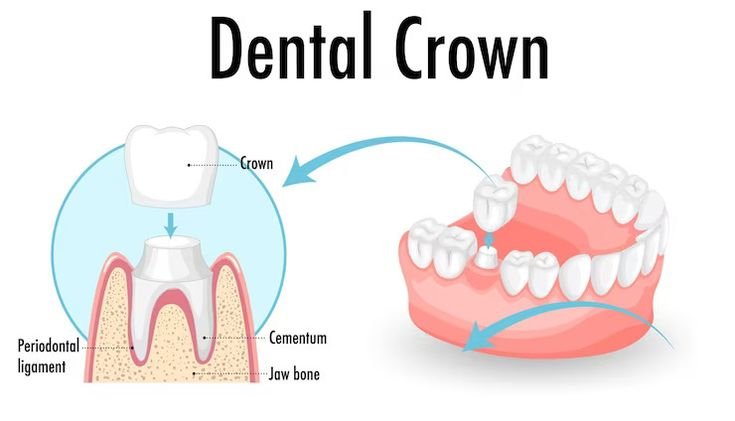
Unlike a filling, which repairs only part of the tooth, a crown protects the entire visible portion of the tooth.
The crown helps restore strength, chewing function, and durability.
Each recommendation is based on a detailed clinical examination by your pediatric dentist.
Each recommendation is based on a detailed clinical examination.
Although baby teeth are temporary, they serve important functions during childhood. A crown helps preserve these teeth so they can continue to:
Preserving a baby tooth can often reduce the need for future orthodontic or space maintenance treatment.
The most appropriate crown depends on the tooth being treated, its location, and your child's clinical needs.
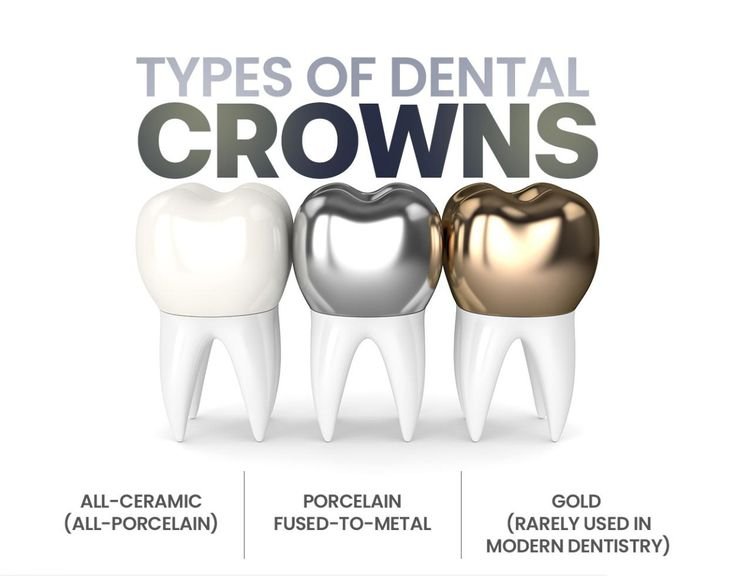
Stainless steel crowns are commonly used for back baby teeth because they are:
These crowns are often recommended after pulpotomy or pulpectomy.
In selected cases, tooth-coloured crowns may be considered, particularly for front teeth where appearance is an important consideration.
Your pediatric dentist will recommend the most appropriate option after evaluating your child's tooth.
Note: The specific crown material offered depends on the clinical situation and the treatment options available at the clinic.
Treatment usually involves the following steps designed to keep your child comfortable and at ease:
The dentist evaluates the tooth to determine whether a crown is the most suitable restoration.
The tooth is carefully shaped so that the crown fits comfortably.
A crown of the appropriate size is chosen to ensure a secure fit and proper bite.
The crown is positioned over the tooth and secured using dental cement. The dentist checks the bite and makes any necessary adjustments.
Pediatric dental crowns provide full coverage and protection for teeth that cannot be restored with a filling alone.
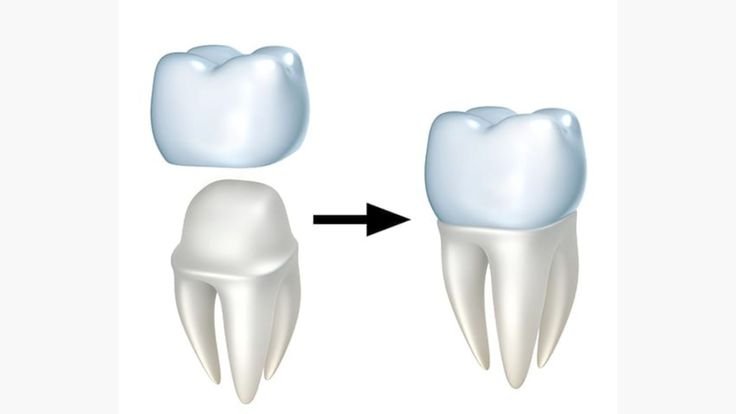
Crowns are designed to allow children to continue eating, speaking, and smiling with confidence.
Most children adjust to a new crown quickly. It is common for the tooth or surrounding gums to feel slightly sensitive for a short period after treatment.
If your child experiences persistent pain, swelling, or the crown becomes loose, contact the clinic for an evaluation.
Pediatric crowns are designed to remain in place until the baby tooth naturally falls out.
Their lifespan depends on factors such as:Routine examinations allow the dentist to monitor the crown and ensure it continues to function properly.
Good oral hygiene remains essential after crown placement.
Brush twice daily using age-appropriate fluoride toothpaste
Floss where recommended
Eat a balanced diet
Limit frequent sugary snacks and drinks
Attend regular dental check-ups
Maintaining these habits helps protect both the crowned tooth and the surrounding teeth.
At Shree Child Dental Care Centre, we understand that restoring children's teeth requires a combination of clinical expertise, patience, and compassionate care.
Pediatric & Preventive Dentist
Your child receives treatment from:
We create a welcoming environment where children feel safe and comfortable.
Our team uses age-appropriate communication and behaviour guidance techniques to make dental visits as positive as possible.
Every treatment recommendation is based on:
We recommend crowns only when they provide the best long-term outcome for your child's tooth.
In addition to pediatric dental crowns, we provide:
This allows us to provide complete care under one roof.
Even after crown placement, preventive care is essential.
Good oral hygiene and regular professional care help protect all of your child's teeth.
A pediatric dental crown is a protective cap placed over a damaged or weakened baby tooth to restore its strength, function, and shape. It completely covers the visible portion of the tooth and helps protect it until it naturally falls out.
A crown may be recommended when a tooth has extensive decay, has undergone pulpotomy or pulpectomy, or has lost too much tooth structure for a filling to provide reliable support.
Yes. Pediatric dental crowns are widely used in children's dentistry and are selected based on the child's age, tooth condition, and treatment needs.
Treatment is planned to keep children comfortable. The pediatric dentist will use appropriate techniques to ensure a positive experience while restoring the tooth.
Most pediatric crowns are designed to remain in place until the baby tooth naturally falls out. Regular dental check-ups help ensure the crown remains in good condition.
Yes. Once the dentist confirms it is appropriate, your child can return to normal eating habits. It is advisable to avoid very sticky or hard foods immediately after treatment if recommended by the dentist.
If a crown becomes loose or falls off, contact the clinic as soon as possible. Prompt evaluation allows the dentist to determine whether the crown can be re-cemented or needs replacement.
Each treatment has a different purpose. Fillings are suitable for smaller cavities, while crowns provide full coverage and are often recommended for teeth with extensive damage or after pulp therapy.
No. A properly fitted pediatric dental crown protects the baby tooth while allowing the permanent tooth underneath to continue its normal development.
Brush the crowned tooth just as you would natural teeth. Good oral hygiene helps keep the gums healthy and protects the surrounding teeth from decay.
The crown protects the restored tooth, but decay can still occur around the edges if oral hygiene is poor. Regular brushing, a balanced diet, and routine dental visits remain important.
The best approach is prevention. Regular dental check-ups, professional cleanings when recommended, fluoride treatment, dental sealants, and healthy brushing habits can reduce the risk of extensive tooth decay.
Preserving baby teeth plays an important role in your child's oral development. When a tooth is too damaged for a filling, a pediatric dental crown can provide long-lasting protection and help maintain normal chewing, speech, and space for permanent teeth.
At Shree Child Dental Care Centre, we provide personalized restorative care using gentle techniques that prioritize your child's comfort and long-term oral health.
Shree Child Dental Care Centre
Dr. R.A. Sowmiya Sree, MDS – Pediatric & Preventive Dentist
1F, Arcot Road, Sathuvachari, Vellore – 632009
Monday – Saturday | 9:00 AM – 6:00 PM