
Prompt, Compassionate Care for Children's Dental Emergencies
Dental emergencies can happen unexpectedly while children are eating, playing, participating in sports, or even during their normal daily activities. A sudden toothache, broken tooth, swelling, or dental injury can be painful and stressful for both children and parents.
Knowing when to seek prompt dental care is important because early treatment may help relieve pain, reduce the risk of infection, and improve the chances of saving an injured tooth.
At Shree Child Dental Care Centre, we provide emergency pediatric dental care in Vellore for children with urgent dental problems.
Under the care of Dr. R.A. Sowmiya Sree, MDS – Pediatric & Preventive Dentist, our goal is to assess your child's condition promptly, provide appropriate treatment, and help restore comfort as quickly as possible.
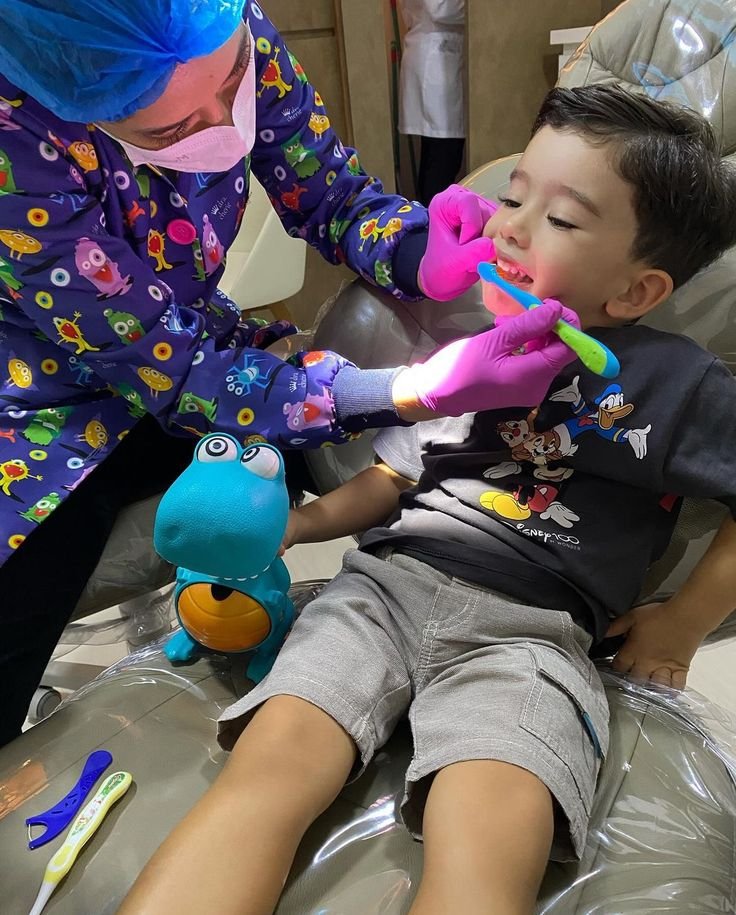
A pediatric dental emergency is any dental condition that requires prompt professional evaluation because it causes significant pain, injury, swelling, bleeding, or risk of further damage.
Some situations require immediate attention, while others should be assessed as soon as possible.
If you are unsure whether your child's problem is an emergency, it is always advisable to contact your pediatric dentist for guidance.
Every emergency is evaluated individually to determine the most appropriate treatment.
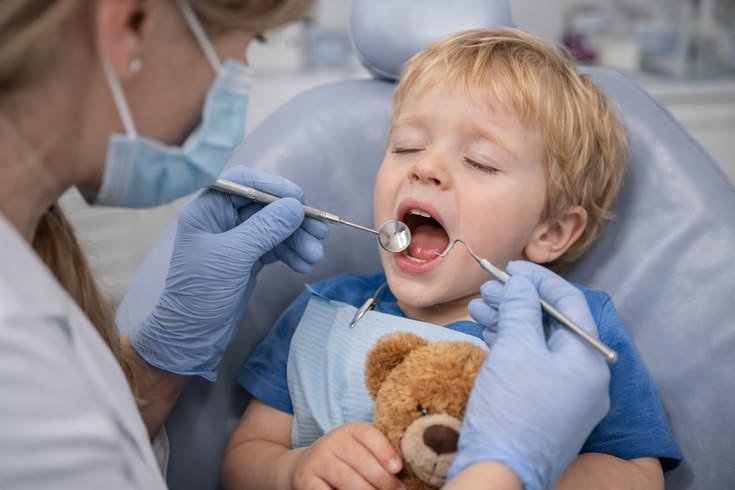
Every emergency is evaluated individually to determine the most appropriate treatment.
Contact a pediatric dentist promptly if your child has:
Early professional evaluation may improve treatment outcomes.
Staying calm helps children feel more secure.
Until professional care is available, follow these essential first-aid steps:
These are general first-aid measures and do not replace professional evaluation.
Every emergency is different, but the visit generally includes a systematic 4-step care pathway:
The dentist carefully evaluates your child's mouth to identify the cause of the problem.
If necessary, dental X-rays may be recommended to assess injuries or infection.
Treatment depends on the diagnosis and may include:
Parents receive detailed instructions regarding recovery, medications (if required), and follow-up appointments.
Children are naturally active, and accidents during play, sports, cycling, or school activities can sometimes result in dental injuries.
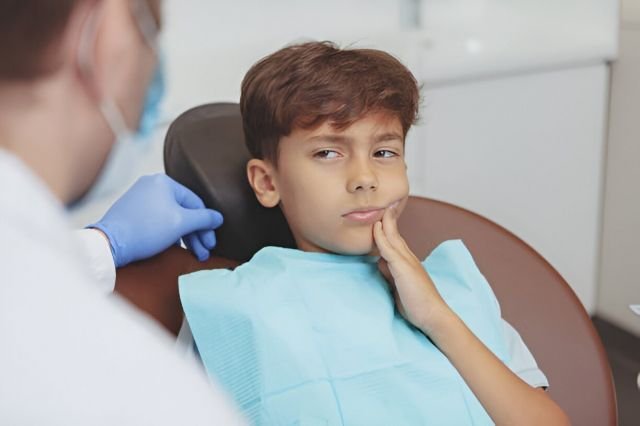
Prompt evaluation by a pediatric dentist is important to assess the extent of the injury and recommend appropriate treatment.
Treatment depends on the type and severity of the problem.
Every child receives an individualized treatment plan based on the clinical findings.
Recovery varies depending on the type of injury or treatment performed.
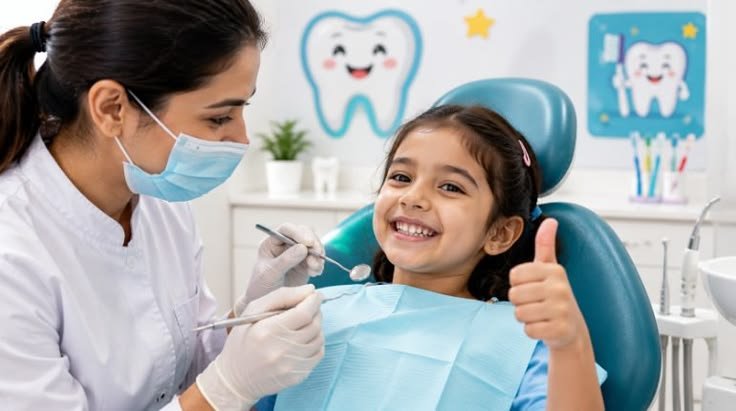
Contact the clinic promptly if your child develops increasing pain, swelling, fever, or bleeding after treatment.
Although not every accident can be avoided, many dental emergencies can be reduced by encouraging healthy habits. Helpful preventive measures include:
Prevention plays an important role in maintaining healthy teeth and reducing the risk of emergencies.
When your child has a dental emergency, you need prompt care from a team experienced in treating children's dental problems.
Pediatric & Preventive Dentist
Your child receives treatment from an experienced specialist with:
We understand that dental emergencies can be frightening for children. Our approach focuses on:
We aim to reduce anxiety while providing appropriate care.
Depending on your child's needs, we provide:
Beyond treating the immediate problem, we help parents understand how to reduce the risk of future dental emergencies through preventive care and regular dental visits.
If your child experiences a dental injury, follow these key recommendations:
Acting promptly can improve the outcome in many dental emergencies.
A pediatric dental emergency may include:
If you are unsure whether your child's condition is an emergency, contact your pediatric dentist for advice.
Rinse your child's mouth gently with clean water and check whether food is trapped between the teeth. Avoid placing aspirin directly on the gums. Arrange a dental examination as soon as possible to identify the cause of the pain.
Hold the tooth by the crown, not the root. If it is dirty, gently rinse it with clean water without scrubbing. Seek emergency dental care immediately, as prompt treatment improves the chances of saving the tooth.
Do not try to reinsert a knocked-out baby tooth. Contact your pediatric dentist promptly so your child can be examined and the developing permanent tooth can be assessed if necessary.
Even a small chip should be evaluated by a dentist. The treatment required depends on the size of the fracture, the presence of pain, and whether the inner layers of the tooth are involved.
Swelling may result from infection, injury, or other dental conditions. Because facial swelling can sometimes indicate a serious infection, prompt professional evaluation is recommended.
If clinically indicated, dental X-rays may be recommended to help diagnose injuries, infection, or damage that cannot be seen during a visual examination.
Many emergencies can be reduced by:
As soon as possible. Early assessment often provides more treatment options and may improve the outcome, particularly for dental trauma.
No. Antibiotics are prescribed only when clinically necessary. Many dental emergencies require dental treatment rather than antibiotics alone.
Apply gentle pressure with clean gauze to help control bleeding. If bleeding is heavy, does not stop, or is associated with significant facial injury, seek immediate medical care in addition to contacting your dentist.
Parents can be prepared by:
A dental emergency can be stressful, but timely treatment can help relieve pain, reduce complications, and protect your child's oral health.
At Shree Child Dental Care Centre, we provide compassionate, child-focused emergency dental care in a calm and supportive environment. Every child is carefully assessed, and treatment is tailored to their individual needs.
If your child has a toothache, dental injury, swelling, or another urgent dental concern, contact us promptly for an evaluation.
Shree Child Dental Care Centre
Dr. R.A. Sowmiya Sree, MDS – Pediatric & Preventive Dentist
1F, Arcot Road, Sathuvachari, Vellore – 632009
Monday – Saturday | 9:00 AM – 6:00 PM